Continuous improvement is a priority in most manufacturing organizations – but execution is where many struggle.
The reality on the shop floor is:
This article provides a practical, step-by-step approach to driving continuous improvement in manufacturing – supported by real-world examples and proven best practices.
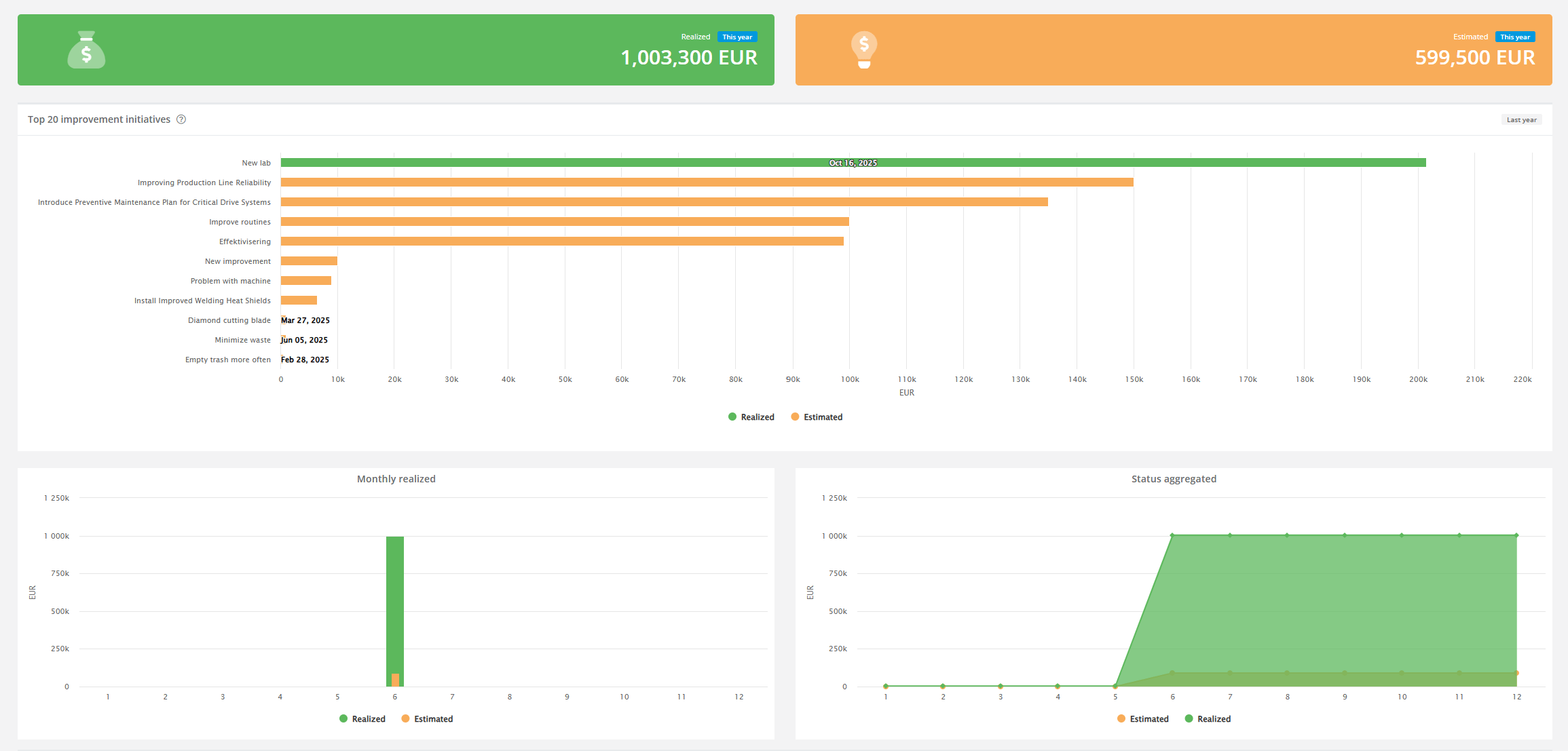
Driving continuous improvement isn’t about running occasional projects. It’s about building a daily system that ensures problems are:
The strongest manufacturers don’t rely on large initiatives – they focus on small, consistent improvements every shift.
Problems are owned and solved as close to the source as possible – by the people doing the work.
Continuous improvement starts with structure.
Without a daily management system, issues remain hidden or are addressed too late.
| Element | Why It Matters | Example |
|---|---|---|
| Daily stand-up meetings | Align teams on performance | 10-min shift meeting |
| SQCDP board | Create performance visibility | Safety, Quality, Delivery tracking |
| Action tracking | Ensure accountability | Clear owners + deadlines |
| Escalation process | Solve issues faster | Tiered response to problems |
👉 The goal is simple: no problem should go unnoticed during the shift.
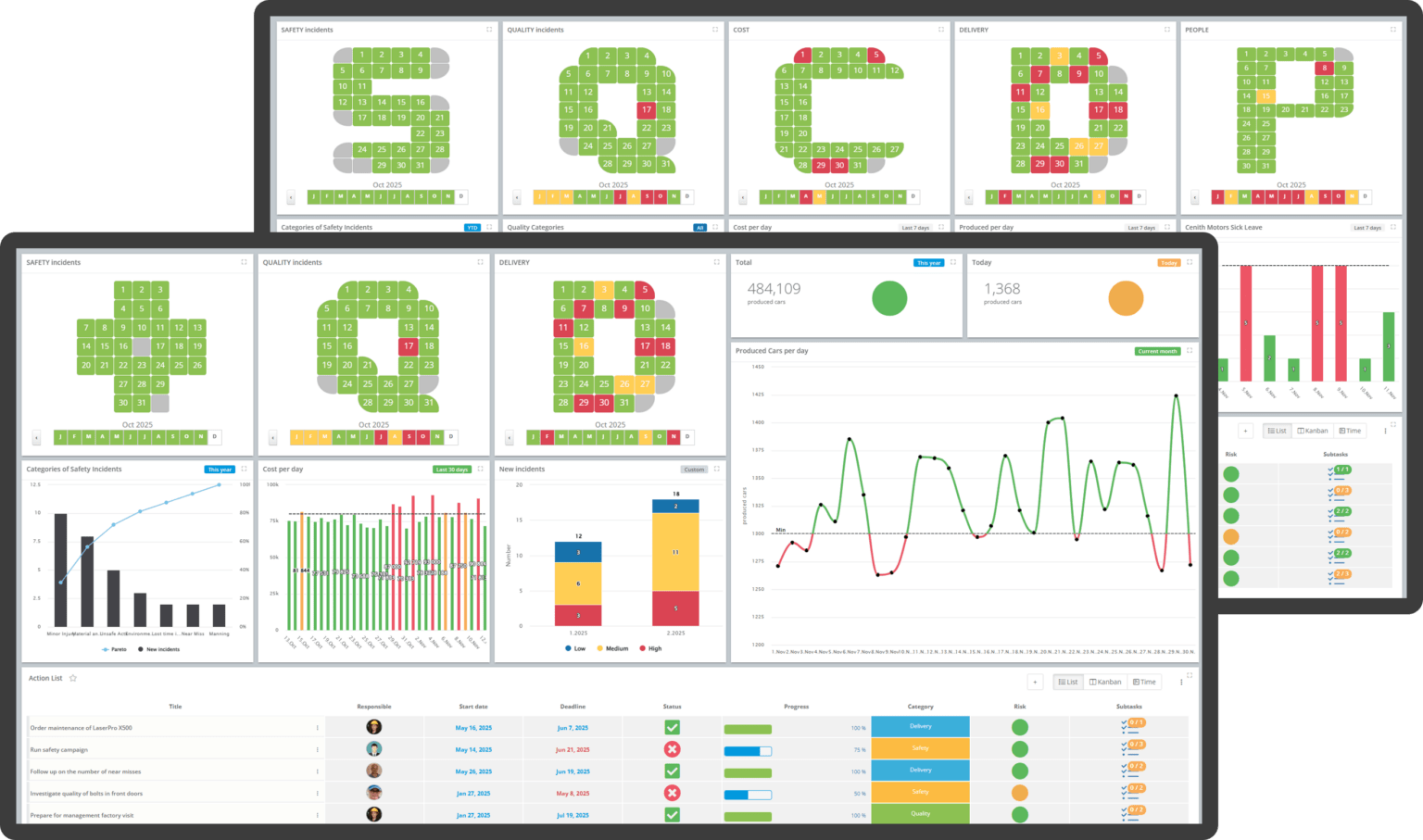
Most factories don’t lack data – they lack visibility.
Best practice:
A production line experiences frequent stoppages, but only reviews data at the end of the shift.
After implementing real-time tracking:
Outcome: Reduced downtime and faster response time
You cannot improve unstable processes.
Before focusing on optimization, ensure that:
| Action | Result |
|---|---|
| Define standard work | Reduces variation |
| Train operators | Improves consistency |
| Measure adherence | Creates a stable baseline |
| Improve incrementally | Ensures sustainable gains |
Ad hoc fixes don’t solve recurring issues.
Use a simple, repeatable structure:
Problem: Repeated quality defects
Root cause: Incorrect machine setup after maintenance
Action: Introduce a checklist before restart
Result: Reduced defects and improved process stability
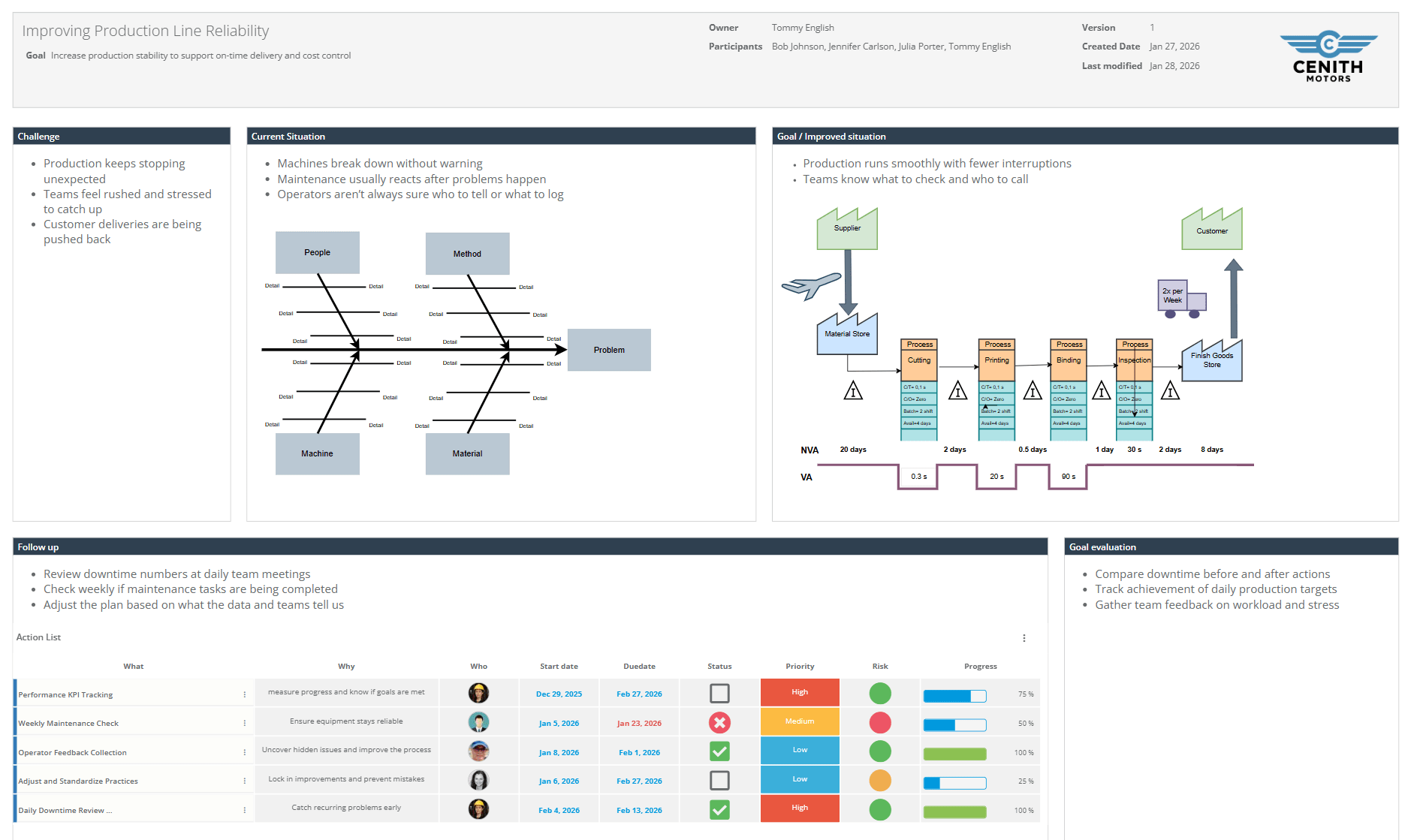
The biggest gains come from consistency – not complexity.
Instead of large projects, focus on:
These changes may seem minor – but they compound quickly.
Operators are closest to the problems – and the solutions. Ownership of both problems and improvements should sit with operators and be handled at the lowest possible level.
To drive continuous improvement:
Factories that succeed treat improvement as everyone’s responsibility, not just management’s.
Many manufacturers struggle with manual systems:
These challenges reduce visibility and slow down improvement efforts – especially in daily management and continuous improvement processes.
Challenge:
Production issues identified too late.
Solution:
Result:
Challenge:
Problems not escalated quickly.
Solution:
Result:
Challenge:
Meetings lack structure and follow-up.
Solution:
Result:
| Pitfall | Impact | How to Fix It |
|---|---|---|
| Too many KPIs | Loss of focus | Focus on critical few |
| No follow-up on actions | No real improvement | Track daily |
| Manual tracking | Delayed decisions | Use digital tools |
| Low operator involvement | Weak engagement | Involve shop floor actively |
| One-off initiatives | Unsustainable results | Build daily routines |
You know continuous improvement is working when you see:
Driving continuous improvement in manufacturing is not about running more projects – it’s about running better daily operations.
The most effective teams:
That’s how improvement moves from intention → execution → measurable results.
Start with:
Avoid trying to fix everything at once.
By embedding it into:
It should not be a separate activity – it should be how you run production.
Leadership must:
Their role is not to solve every problem, but to create the conditions where operators can take ownership at the lowest level.
If it’s not standardized, it won’t last.
Introduce digital tools when:
Digital tools help scale and sustain improvements – not replace Lean principles.
You can watch DigiLEAN intro video to learn more, book a demo to walk through the workflow with an expert, or see the platform live by starting a free trial and exploring it yourself.